Ever ordered food in a Spanish-speaking country and struggled to figure out exactly what kind of meat was on the menu? Knowing how to say lamb in Spanish can save you from confusion at restaurants, grocery stores, or when cooking a recipe that calls for this specific meat. This guide breaks down the word, its pronunciation, and how it is used in everyday conversation so you can speak and order with confidence.
Meaning and Translation
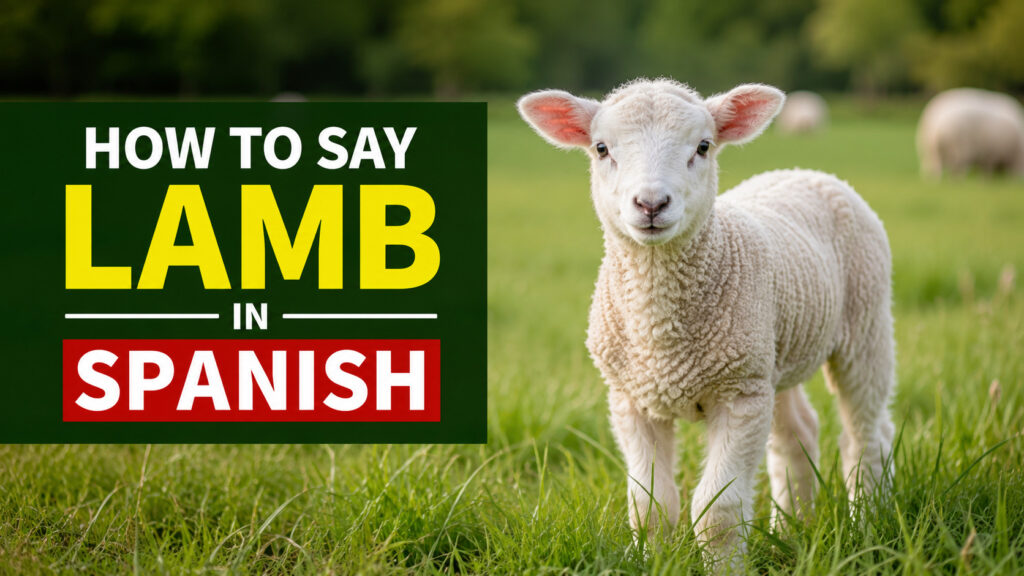
The Spanish word for lamb is “cordero” (kohr-DEH-roh). This word refers specifically to a young sheep or the meat that comes from one, similar to how English distinguishes lamb from mutton. It is important to note that “cordero” refers to young lamb meat, while the meat from an adult sheep is called “carnero” in Spanish. This distinction matters in cooking and menu contexts, since the flavor and texture of the two differ noticeably.
Pronunciation
Getting the pronunciation right will help you sound natural when ordering food or discussing recipes. “Cordero” is broken into three syllables: kohr-DEH-roh, with the stress falling on the second syllable, “DEH.” The rolled “r” sound at the beginning is a common challenge for English speakers, but practicing it slowly and then speeding up will help. The double “r” sound in Spanish is trilled, so take your time forming it correctly, especially if you are new to Spanish pronunciation.
Common Ways to Say It
While “cordero” is the standard word for lamb, you will often see it paired with other words depending on the context. “Carne de cordero” literally means “lamb meat” and is commonly used on menus and in recipes to be specific. “Cordero asado” means “roasted lamb,” a popular dish in many Spanish-speaking countries. “Pierna de cordero” refers to “leg of lamb,” a specific cut often used for special occasions and holiday meals. Learning these combinations will help you navigate menus and recipes more easily.
Formal and Informal Usage
Unlike greetings or expressions, “cordero” does not change based on formality since it is a noun referring to an animal or type of meat. However, context does matter in certain settings. In a formal restaurant or when speaking with a butcher, using precise terms like “carne de cordero” or specifying the cut, such as “chuletas de cordero” for lamb chops, shows a clearer understanding of what you want. In casual conversation, simply saying “cordero” is perfectly acceptable and widely understood across all Spanish-speaking regions.
Related Phrases
A few related terms can help expand your vocabulary around this topic. “Chuletas de cordero” means “lamb chops,” a popular cut for grilling. “Estofado de cordero” translates to “lamb stew,” a comforting dish found in many Spanish-speaking households. “Cordero lechal” refers to a very young milk-fed lamb, often prized for its tender meat. Knowing these phrases will make it easier to read menus, follow recipes, and shop for specific cuts of meat.
Real-Life Examples with English Translations
Seeing the word used in real sentences can help it stick in your memory. Here are a few practical examples:
“Quisiera pedir el cordero asado, por favor.” translates to “I would like to order the roasted lamb, please,” a useful phrase for dining out.
“Mi abuela prepara un estofado de cordero delicioso.” means “My grandmother makes a delicious lamb stew,” a nice example of everyday family conversation.
“¿Tienen chuletas de cordero frescas hoy?” translates to “Do you have fresh lamb chops today?” which is helpful when shopping at a butcher or market.
Common Mistakes
One common mistake learners make is confusing “cordero” with “carnero,” since both relate to sheep but refer to different ages and meat types. Another frequent error is mispronouncing the rolled “r,” which can make the word harder for native speakers to understand clearly. Some learners also forget to specify the cut or preparation style when ordering, which can lead to confusion in restaurants, since simply saying “cordero” without context may prompt the server to ask for clarification. Being specific and practicing pronunciation will help you communicate more effectively.
Final Thoughts
Learning how to say lamb in Spanish is a small but practical piece of vocabulary that can make a real difference while traveling, dining out, or cooking. Whether you are ordering “cordero asado” at a restaurant or following a recipe for “estofado de cordero,” understanding the word and its common pairings will help you navigate Spanish-speaking environments with more confidence. With a bit of practice, this simple word can become second nature in your everyday vocabulary.